Paper, ink, glass, light, dust, timber, water. We look for the physical language already hiding inside the story.
02 / Studio
Made by hand. Moved with intention.
Titles should feel discovered inside the film—not added after it.
02.1 / Why we exist
We make the part people feel before they understand.
An opening can tune the audience before the first scene begins. It can establish a world, hold a tension, or leave a question hanging in the dark. We exist to give that moment the same care as everything that follows.
02.2 / The workshop
A good motion studio should look like a craft workshop.
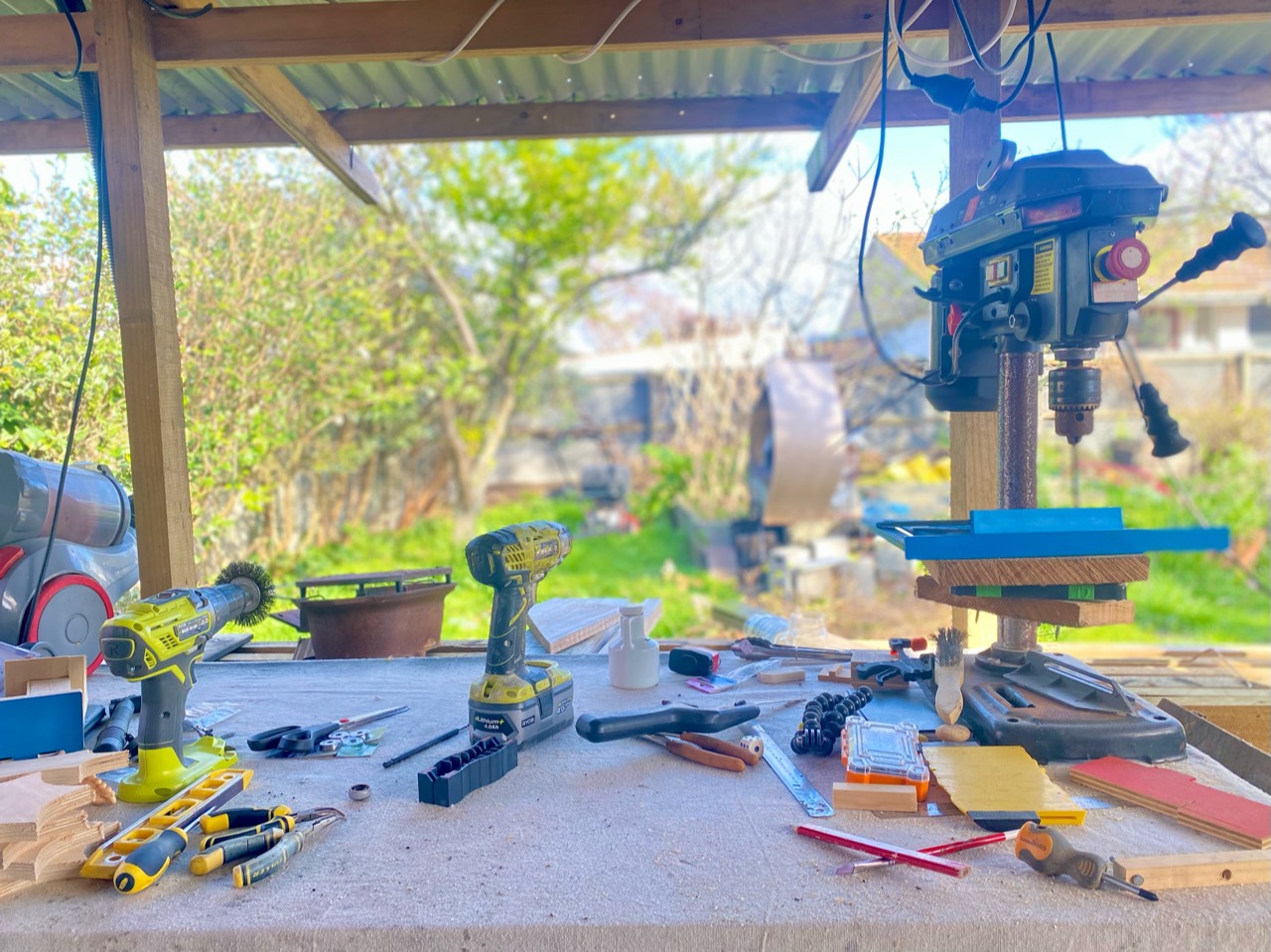
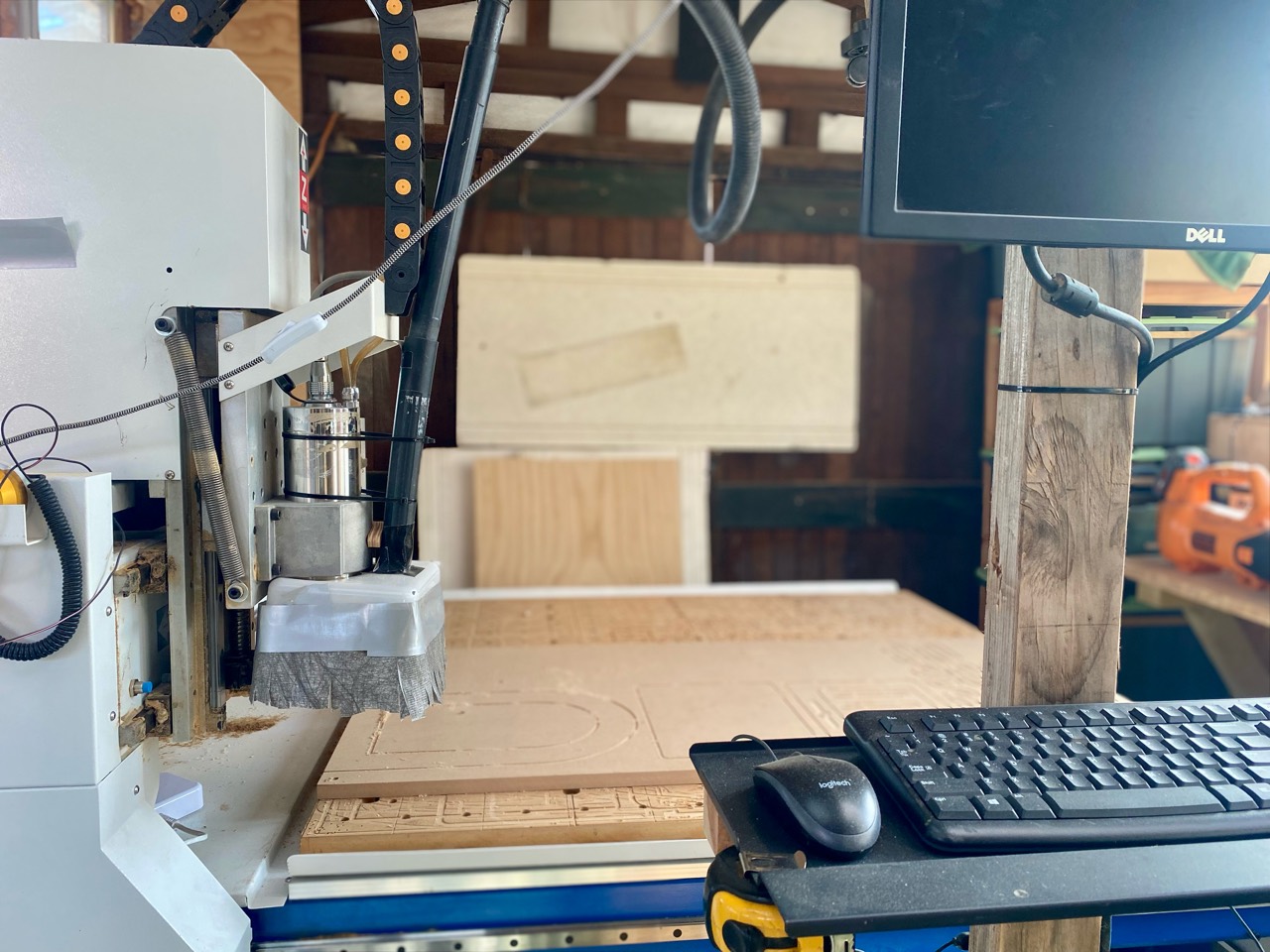
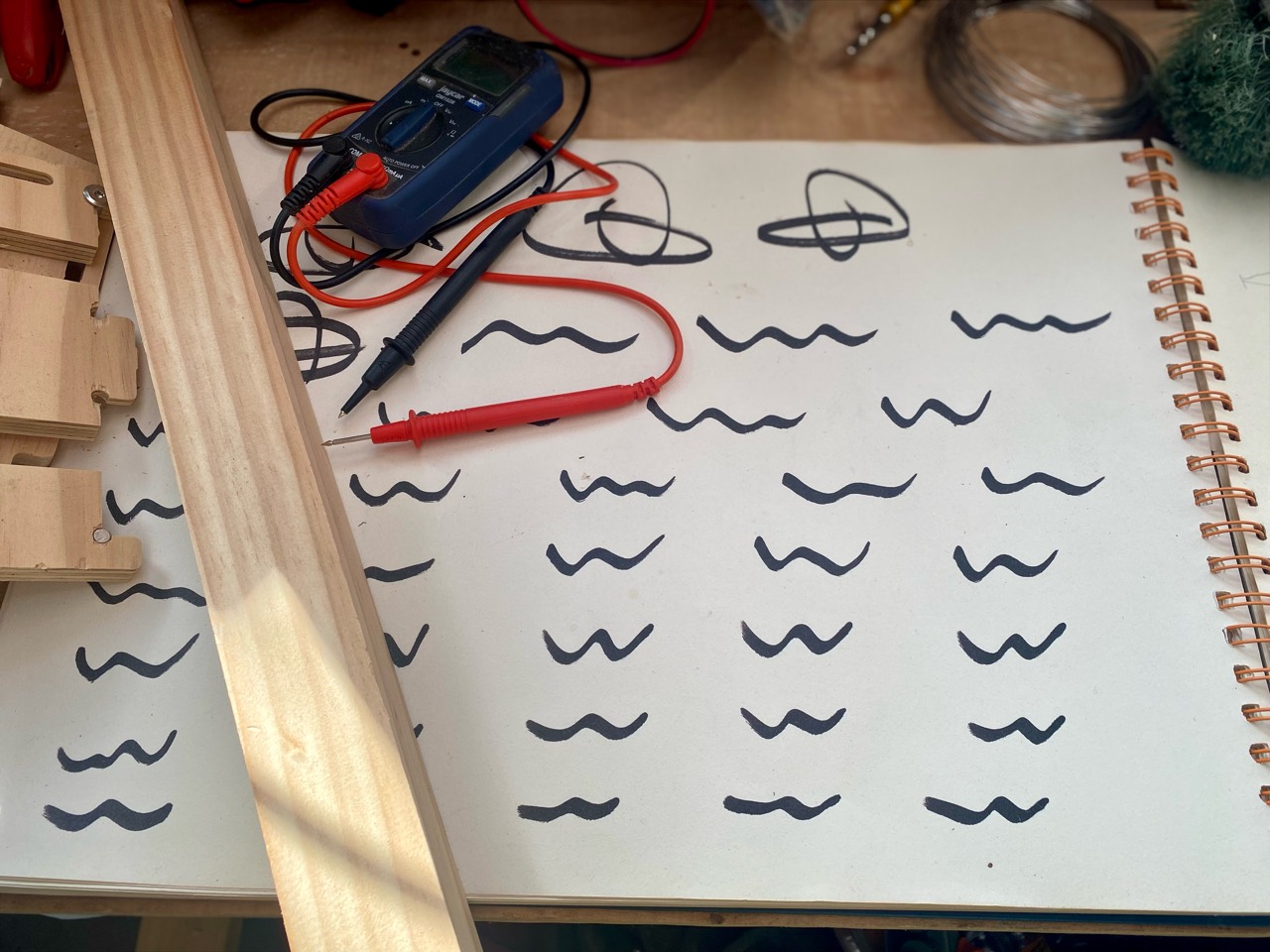
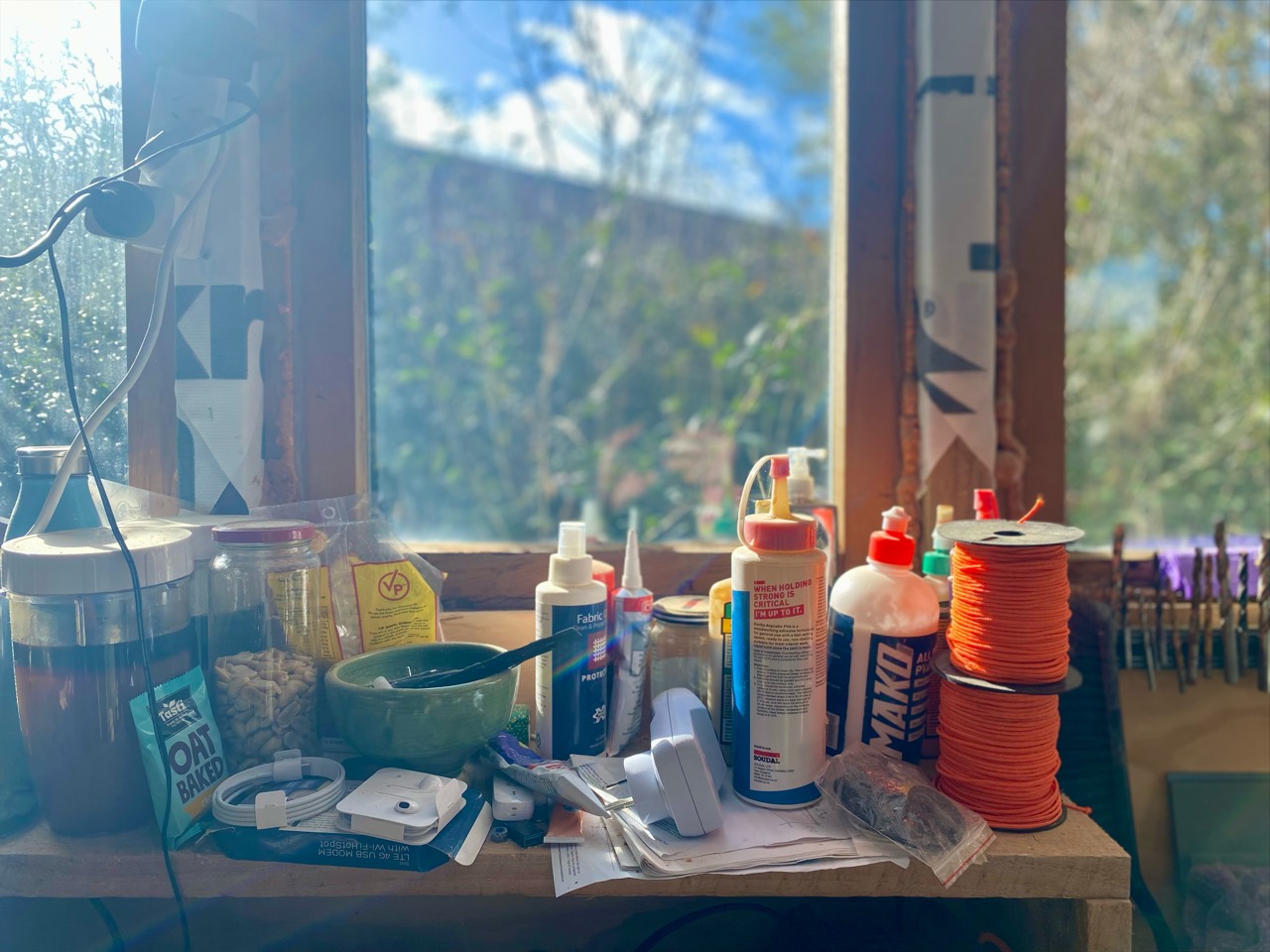
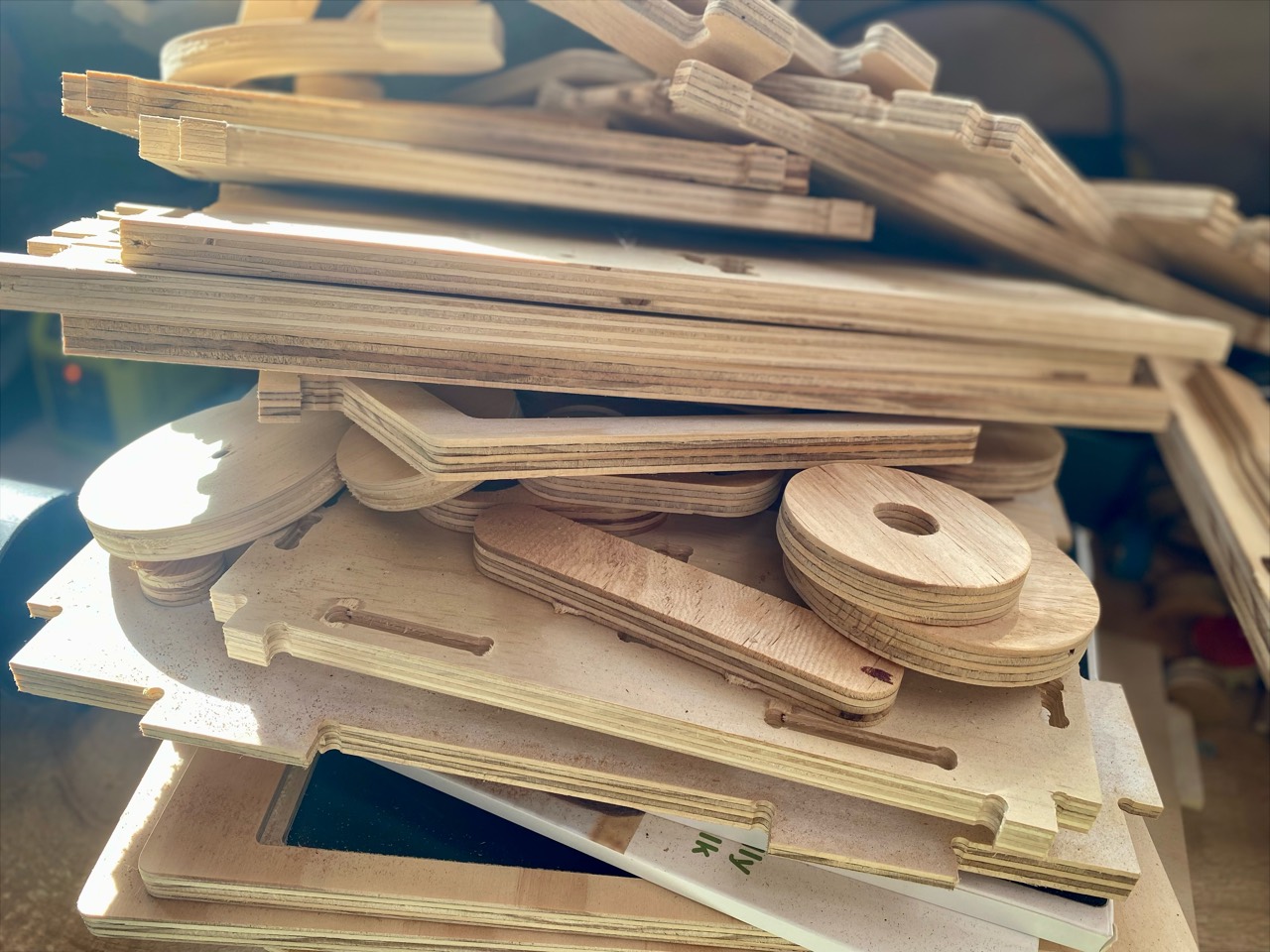
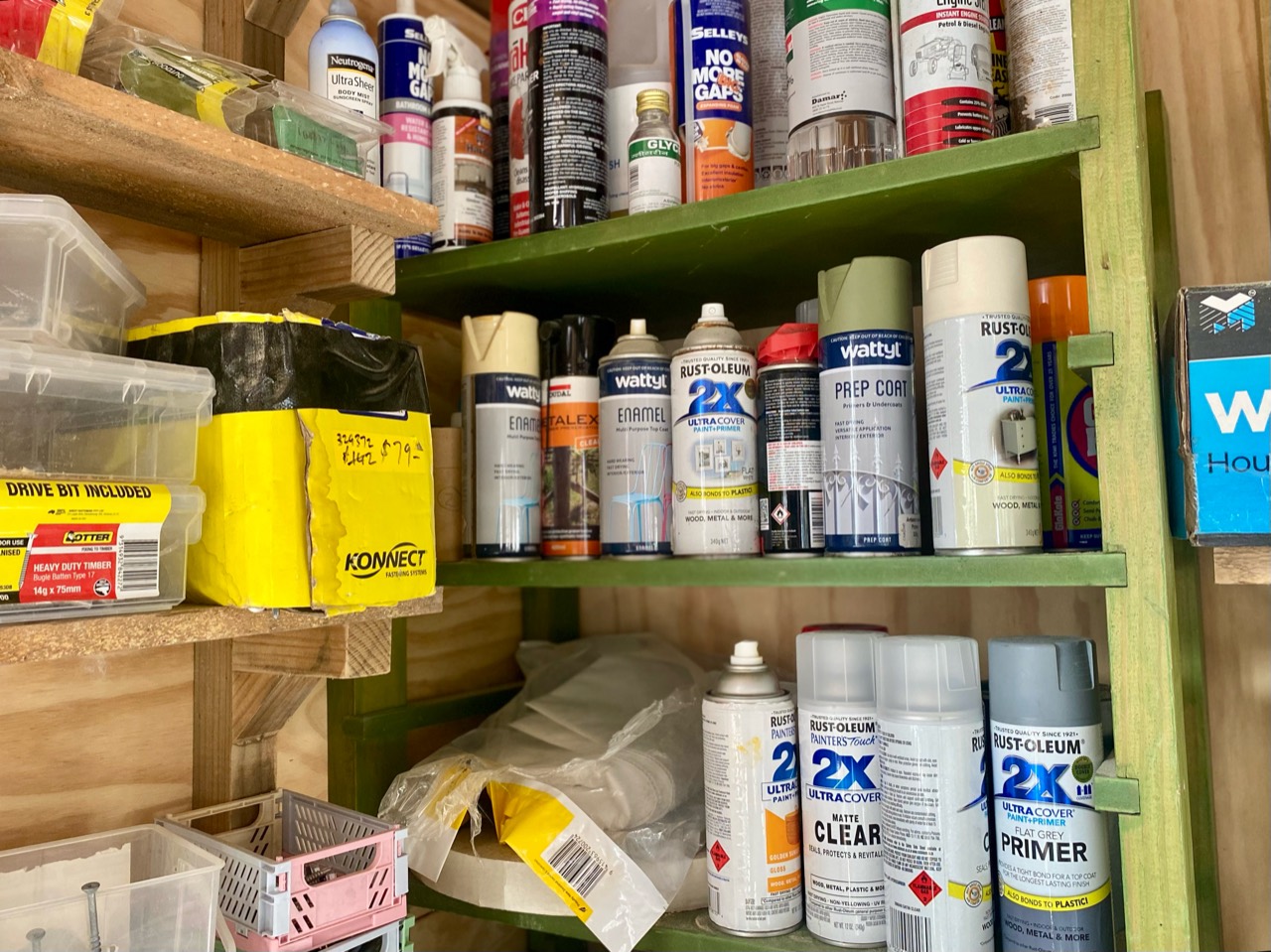
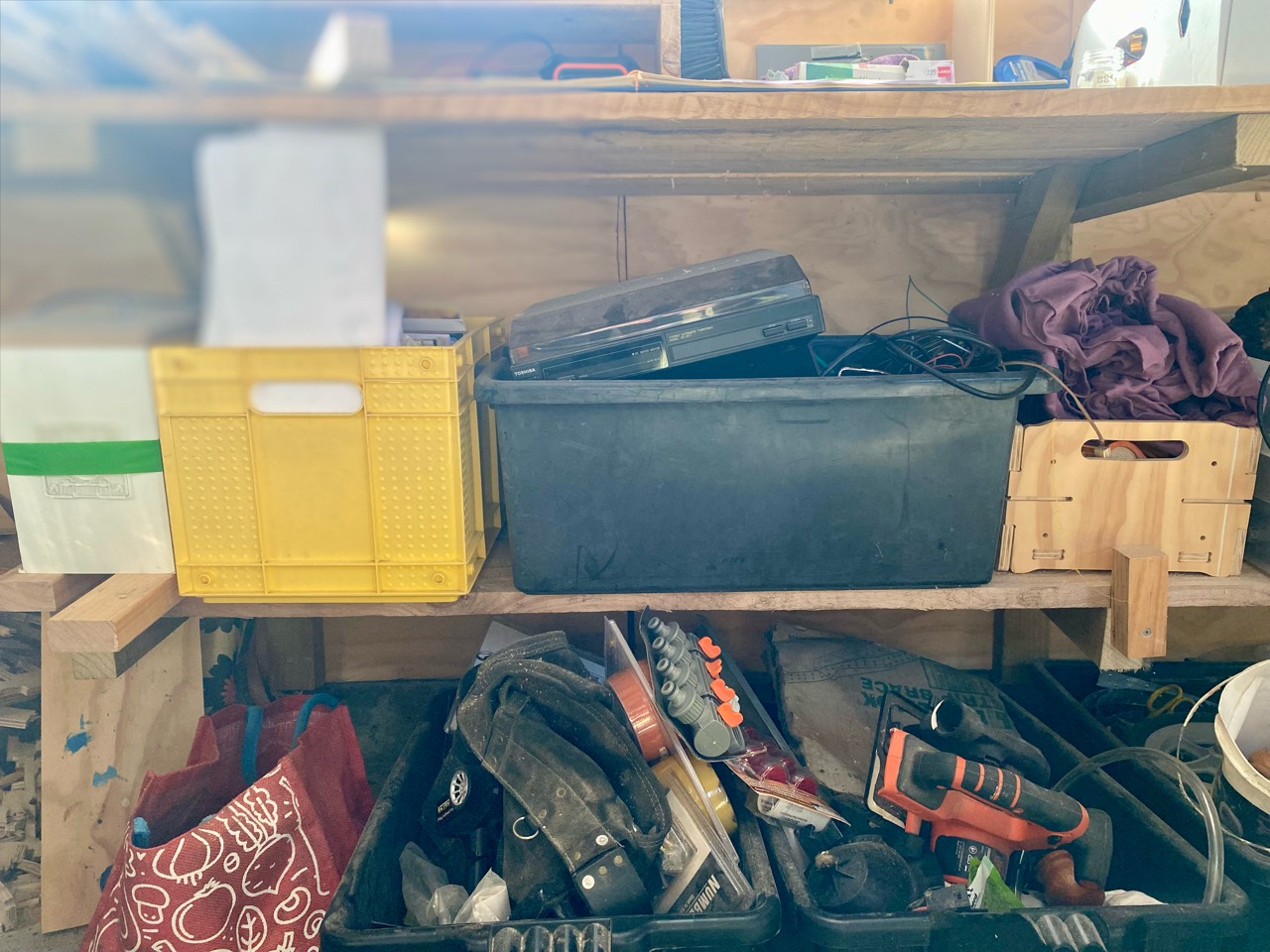
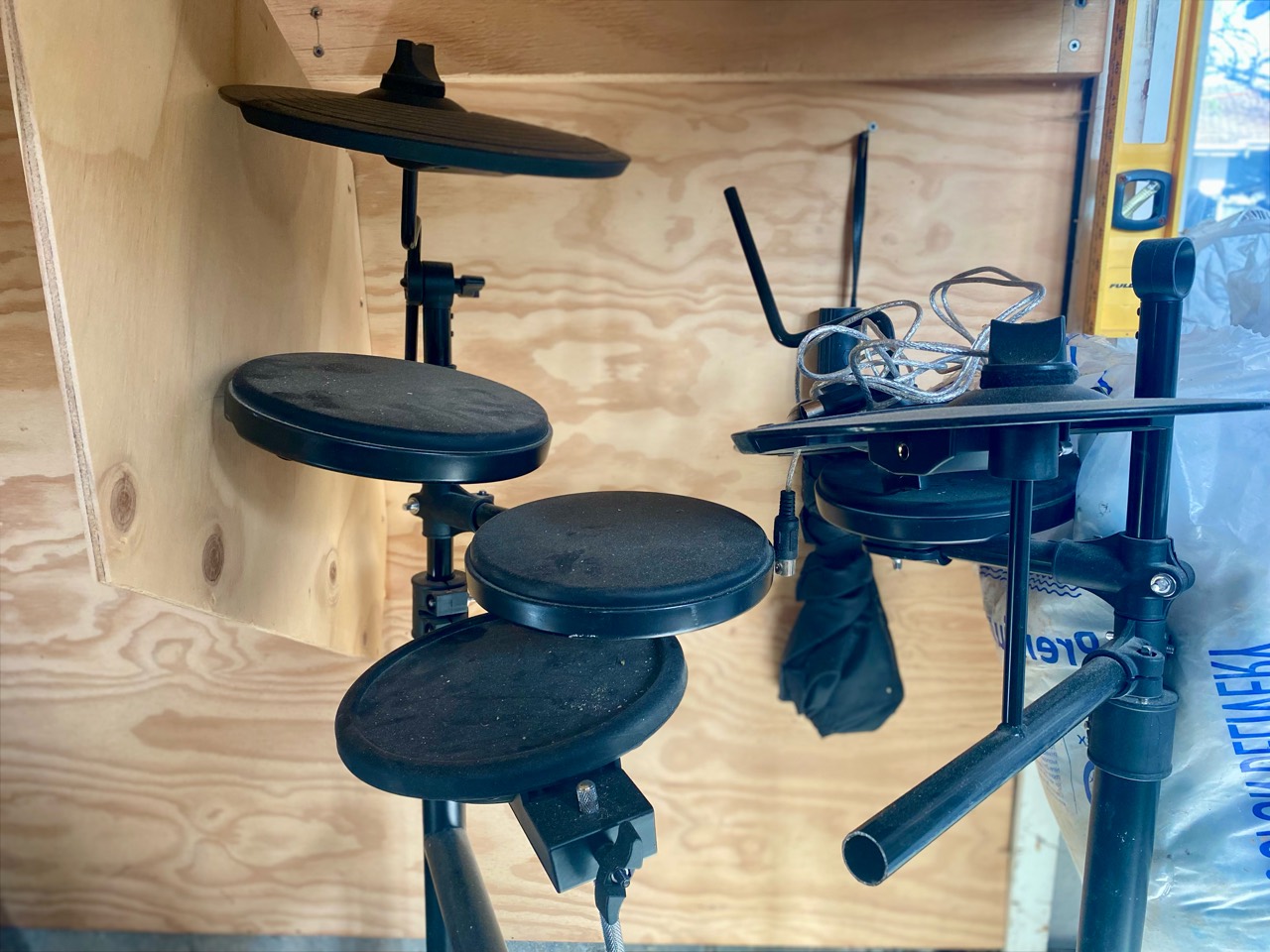
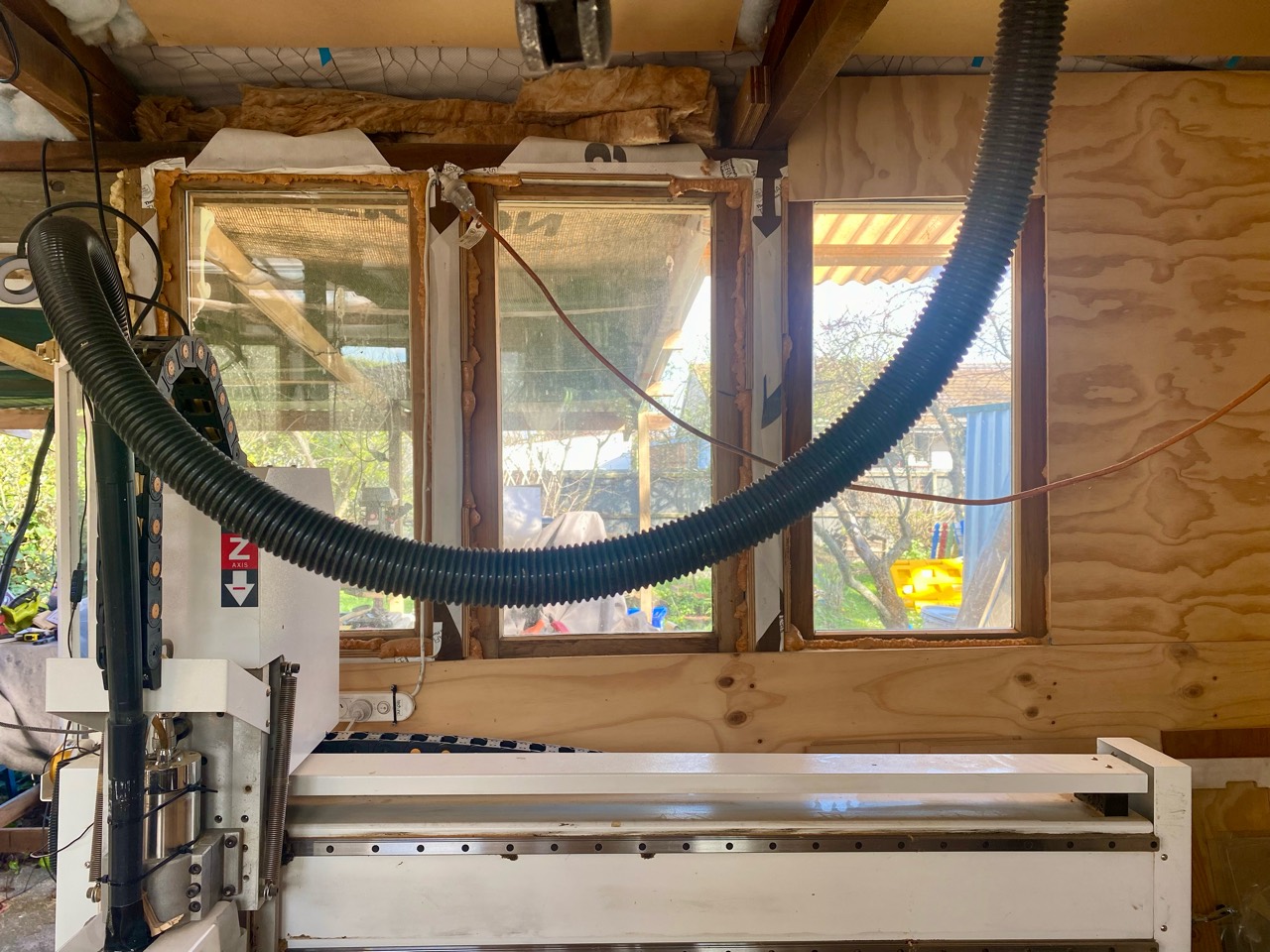
A woodworking shed crossed with a hoarder's archive: shelves of offcuts, failed tests, strange tools, half-built rigs, old lenses, and things kept because they might become useful one day. The computer is one tool among many. The hand stays visible.
Keep the fingerprints.
Keep the edges.
Keep the accident.
02.3 / Inside the workshop
Making
Tools, tests, offcuts and useful things kept for another day.
02.4 / How we work
Material. Composition. Movement. Restraint.
02Build the elements.
We make, collect, photograph, print, tear, project, and reassemble. The useful accident is part of the process.
Every element earns its place. Type, image, rhythm, and silence are composed as one opening thought.
04Find the poetry of movement.
Movement can reveal, interrupt, hesitate, or disappear. We search for the gesture that belongs to this story and no other.
Restraint is not the absence of ideas. It is the confidence to leave only what the audience needs to feel.
Bring us in before the answer is obvious.
Start a commission